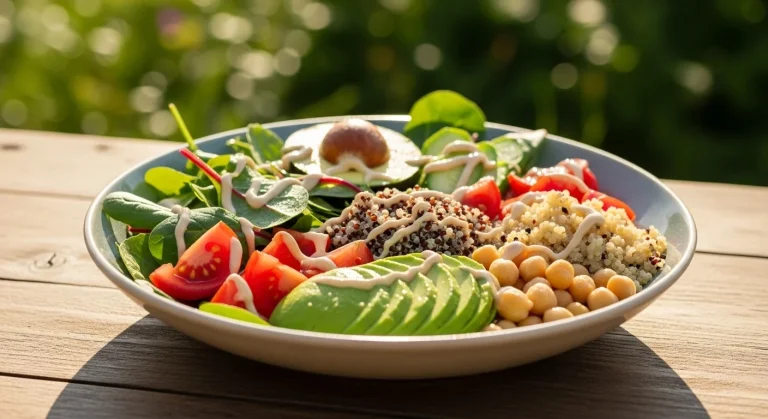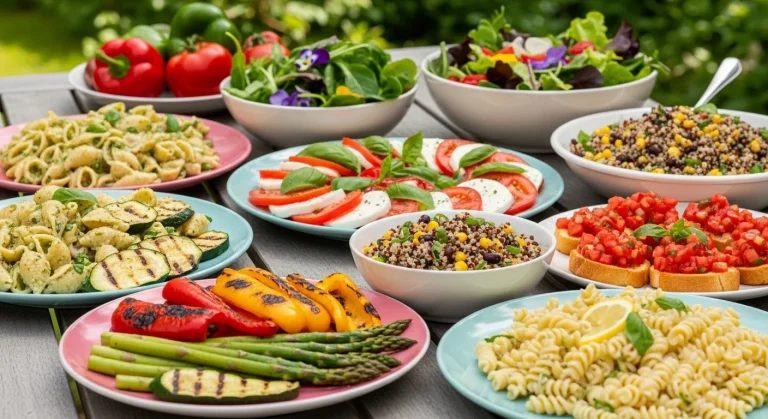

Imagine biting into a salad that’s not just a side dish but a full-blown feast—crisp veggies, hearty grains, and flavors that dance on your tongue. Gone are the days of limp lettuce leaving you raiding the fridge an hour later. Whether you’re going meat-free for health, the planet, or just a change of pace, these vegetarian salads pack enough punch to satisfy even the hungriest appetites. Let’s dive in and transform your salad game!

Start with a Hearty Base
The foundation of any meal-worthy salad is a base that sticks to your ribs. Skip the iceberg lettuce solo act—it’s time to layer in substance.
Think beyond basic greens. Mix romaine, spinach, kale, or arugula for texture and nutrients. But to make it feel like a meal, add grains or starches. Quinoa, farro, brown rice, or even couscous bulk things up with fiber and keep you full.
- Pro tip: Cook your grains in vegetable broth for extra flavor.
- Rinse quinoa well to avoid bitterness.
- Portion about 1/2 cup cooked grains per serving.
This base sets the stage for everything else, turning your salad from snack to sustenance.
Pack in Plant-Based Proteins
Protein is key to making salads satiating, and vegetarian options are endless. No more feeling like you’re missing out!
Chickpeas, black beans, lentils, or edamame are superstars—easy to prep and loaded with protein. Toss in tofu or tempeh for a chewy bite; marinate them in soy sauce and garlic for oomph.
Nuts and seeds like almonds, walnuts, pumpkin seeds, or chia add crunch and healthy fats. Aim for 15-20 grams of protein per salad to keep energy steady.
- Quick ideas: Roast chickpeas with paprika for a crispy topping.
- Cube and bake tofu until golden.
- Sprinkle hemp seeds for an omega boost.

These additions ensure your salad fuels you through the afternoon without a crash.
Load Up on Veggies and Fruits for Color and Crunch
Variety is the spice of salad life! Pile on produce to make it visually appealing and nutritionally balanced.
Go for a rainbow: Tomatoes, cucumbers, bell peppers, carrots, and beets for crunch and sweetness. Add fruits like berries, apples, or oranges for a tangy twist that brightens everything.
Don’t overlook roasted veggies—broccoli, sweet potatoes, or Brussels sprouts add warmth and depth, especially in cooler months.
- Mix it up: Shred carrots for easy eating.
- Slice fruits thin to distribute flavor.
- Roast veggies at 400°F for 20-25 minutes with olive oil and herbs.
This step keeps things exciting and boosts vitamins without overwhelming the plate.

Add Texture with Crunch and Creaminess
A great salad dances between textures—crisp, creamy, chewy. This is where magic happens.
For crunch, throw in nuts, seeds, or croutons made from whole-grain bread. Avocado or feta (if you’re okay with dairy-free alternatives) brings creaminess that ties it all together.
Pickled elements like onions or olives add a zingy pop. Experiment with homemade elements for personalization.
- Texture tips: Toast nuts in a dry pan for enhanced flavor.
- Mash avocado with lime to prevent browning.
- Use coconut yogurt for a vegan creamy swirl.

Balancing these keeps every bite interesting and prevents monotony.
Dress It Up: Sauces and Seasonings
The dressing can make or break your salad—it’s the flavor glue!
Whip up simple vinaigrettes: Olive oil, balsamic vinegar, mustard, honey (or agave for vegan), salt, and pepper. For creamier options, tahini-based or yogurt dressings work wonders.
Herbs like basil, cilantro, or mint freshen things; spices like cumin or chili flakes add heat.
- DIY basics: Whisk 3 parts oil to 1 part acid.
- Store in a jar for easy shaking.
- Dress lightly—start with less and add more.
Taste as you go to avoid sogginess.
Assembly and Serving Tips
Now, put it all together! Layer strategically for the best experience.
Start with the base, add proteins and veggies, then toppers and dressing last. If meal-prepping, keep dressing separate to maintain crispness.
Serve in wide bowls for easy mixing. Pair with crusty bread if you want extra carbs.
- Assembly hacks: Use mason jars for portable salads—dressing at bottom, greens on top.
- Let it sit 5 minutes post-dressing for flavors to meld.
- Garnish with fresh herbs for that Pinterest pop.

These tricks make your creation restaurant-worthy at home.
In wrapping up, mastering vegetarian salads that feel like meals is all about balance—nutrition, flavor, and fun. You’ll save time, eat healthier, and never look at greens the same way. Save this guide for your next kitchen adventure, and tag a friend who’d love it! What’s your go-to salad add-in? Share in the comments below.