
Imagine whipping up a colorful, nutrient-packed plate that leaves you feeling energized and satisfied—no meat required! Whether you’re a veggie newbie or a seasoned plant-based pro, building balanced vegetarian meals doesn’t have to be complicated. It’s all about mixing flavors, textures, and nutrients to create dishes that are as delicious as they are nourishing. In this guide, we’ll break it down into simple steps so you can meal-prep like a boss and enjoy every bite.

What Makes a Meal Balanced?
First things first: A balanced vegetarian meal isn’t just a pile of greens. It’s about hitting all the key food groups to keep your body fueled. Think proteins for muscle repair, veggies for vitamins, carbs for energy, and fats for that satisfying fullness. Skip any one, and you might feel sluggish or hungry soon after.
- Proteins: Essential for staying full and building strength.
- Carbs: Provide sustained energy without the crash.
- Veggies and Fruits: Load up on fiber, antioxidants, and micronutrients.
- Healthy Fats: Help absorb vitamins and add creaminess.
The goal? Aim for half your plate veggies, a quarter protein, a quarter carbs, and a sprinkle of fats. Easy peasy!
Step 1: Choose Your Protein Base
Every great vegetarian meal starts with a solid protein foundation. Gone are the days of boring tofu—options are endless and exciting!
Start by picking one or two sources per meal. Legumes like lentils, chickpeas, or black beans are budget-friendly powerhouses. They’re packed with protein and fiber. Eggs and dairy (if you’re not vegan) add variety, while nuts, seeds, and tempeh bring that hearty chew.
- Quick Tip: Soak dried beans overnight for easier digestion.
- Flavor Hack: Marinate tofu in soy sauce and garlic for an umami boost.
Try starting with a can of chickpeas—roast them with spices for crunch!

Step 2: Load Up on Veggies
Veggies are the stars of vegetarian eating—they add color, crunch, and a ton of health benefits. Don’t just steam them; get creative to make them irresistible.
Aim for a rainbow on your plate: Leafy greens like spinach or kale for iron, bell peppers for vitamin C, and broccoli for calcium. Roasting or stir-frying brings out natural sweetness, while raw salads keep things fresh.
- Portion Guide: Fill at least half your plate with veggies.
- Mix It Up: Combine textures—crisp carrots with soft zucchini.
- Season Smart: Use herbs, lemon, or balsamic to elevate without calories.
Pro tip: Prep a big batch of mixed veggies at the start of the week for grab-and-go ease.
Step 3: Add Healthy Carbs
Carbs aren’t the enemy—they’re your energy allies! In vegetarian meals, they round out the plate and prevent that post-meal slump.
Go for whole grains like quinoa, brown rice, or whole-wheat pasta. Sweet potatoes and oats are also fantastic for their nutrient density. These provide complex carbs that digest slowly, keeping blood sugar stable.
- Serving Size: About a fistful per meal.
- Boost Nutrition: Pair with proteins for better absorption.
- Fun Twist: Make quinoa pilaf with veggies stirred in.
Remember, carbs like fruits (think berries or apples) can double as dessert!

Step 4: Incorporate Healthy Fats and Flavors
Fats make meals memorable— they add richness and help your body soak up those veggie vitamins. Plus, they’re key for brain health and satisfaction.
Avocados, olive oil, nuts, and seeds are your go-tos. Drizzle olive oil on salads, smash avocado on toast, or sprinkle chia seeds over yogurt. For vegan options, coconut milk adds creaminess to curries.
- Balance It: A tablespoon or two is plenty.
- Flavor Boosters: Herbs, spices, and acids like vinegar keep things exciting.
- Avoid Overkill: Stick to unsaturated fats for heart health.
Tie it all together with a homemade dressing—whisk olive oil, lemon, and herbs for instant magic.

Sample Meal Ideas to Get You Started
Ready to put it into practice? Here are three easy balanced vegetarian meals you can whip up in under 30 minutes.
Breakfast Bowl: Start with Greek yogurt (protein), top with berries and oats (carbs), add spinach (veggies), and almonds (fats). Creamy, crunchy, and ready in a flash.
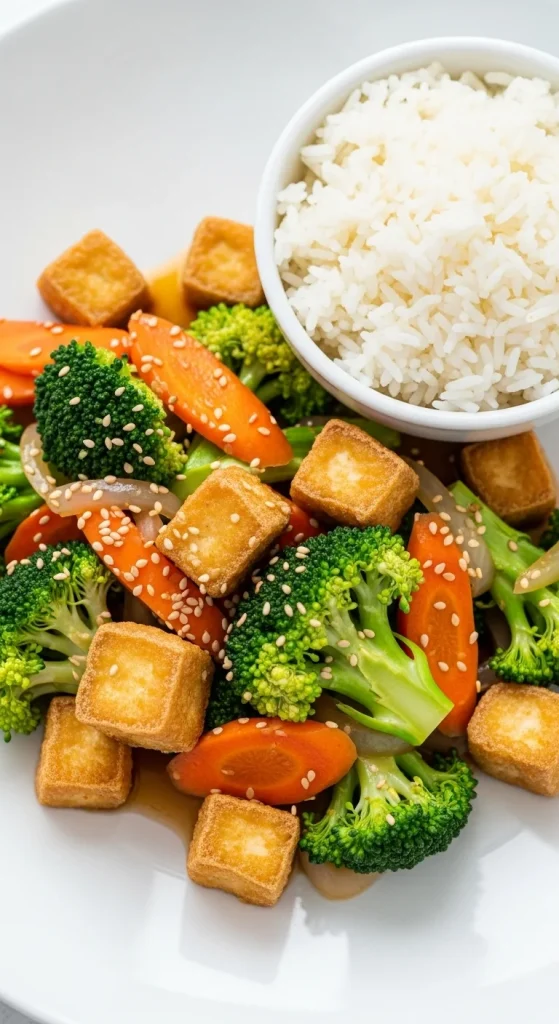
Lunch Stir-Fry: Sauté tofu (protein) with broccoli and carrots (veggies), serve over brown rice (carbs), and finish with sesame oil (fats). Add ginger for zing!
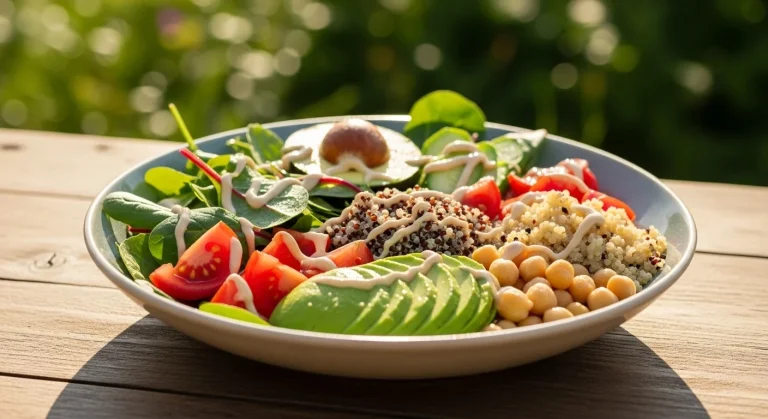
Dinner Salad: Mix lentils (protein), quinoa (carbs), mixed greens and tomatoes (veggies), and feta with olive oil dressing (fats). Perfect for warm evenings.
These are customizable—swap based on what’s in your fridge!
Common Mistakes to Avoid
Even pros slip up sometimes. Don’t overload on cheese for “protein”—it can add too much saturated fat. Skip the all-carb traps like pasta without veggies. And always vary your sources to avoid nutrient gaps, like getting enough B12 from fortified foods or supplements.
Track your meals for a week to spot patterns and adjust. You’ll feel the difference!
Wrapping It Up: Your Path to Effortless Veggie Wins
Building balanced vegetarian meals is simpler than you think—it’s about smart combos that taste amazing and fuel your day. With these steps, you’ll create plates that are Pinterest-worthy and body-boosting.
So, what’s stopping you? Grab your grocery list, experiment with one meal today, and tag a friend who needs this inspo. Save this guide for your next meal prep session—you’ve got this!